
SAN JOSÉ STATE UNIVERSITY
Bringing the legacy of Speed City back to life.
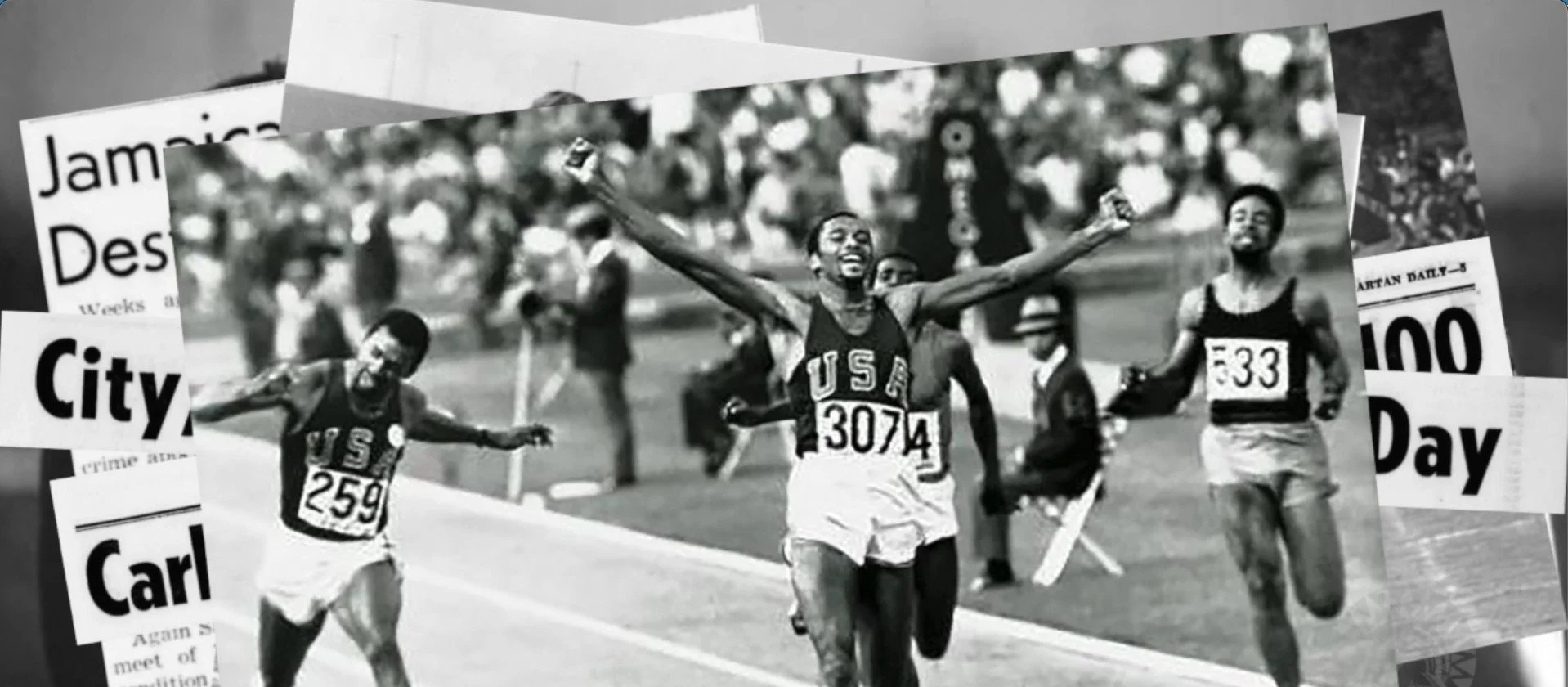
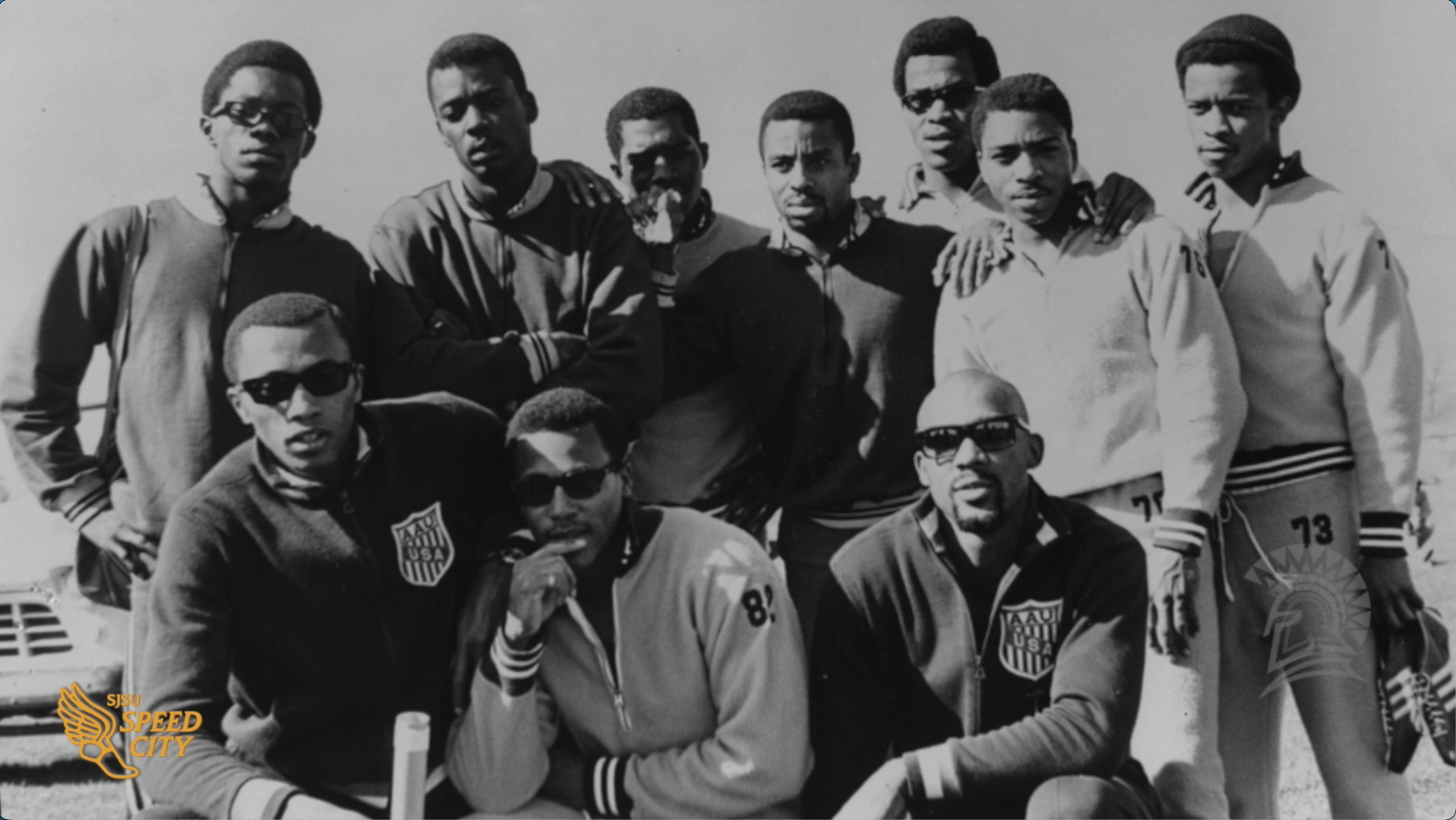
When San José State University announced the return of men’s track and field in 2016, Walcon Media created a historical film tracing the remarkable era when San José State produced some of the fastest sprinters in the world, and their story culminated on the international stage at the 1968 Olympic Games.
A legendary program returns.
THE PROJECT
The challenge
San José State needed to announce the return of men’s track and field while reconnecting the new program with its extraordinary history. The story had to move beyond a conventional sports retrospective, capturing the athletic achievement, institutional pride and broader cultural significance of Speed City.
The approach
Walcon Media researched the history, gathered archival photographs and footage, and interviewed alumni from across the Speed City program. One especially knowledgeable alumnus provided the narrative thread that helped connect the people, events and significance of the era. His interview became the foundation for shaping the story and guiding the edit.
The finished film connected the return of the program with a legacy that reaches far beyond athletics.
From a university announcement to a national audience.
EXTENDING THE STORY
The Speed City film was created to support San José State’s 2016 announcement that men’s track and field would return after an absence of nearly three decades.
The story extended beyond the university when ESPN’s The Undefeated embedded the film, introducing the history and significance of Speed City to a broader national audience.
Creative strategy within real-world constraints.
One idea developed across multiple formats.
AI used in service of the story—not as the story itself.
WHAT IT DEMONSTRATES
Making history feel immediate.
Walcon Media interviewed several alumni from the Speed City era, from internationally recognized athletes to individuals whose names were less widely known.
One lesser-known alumnus emerged as the essential storyteller. He carried an extraordinary command of the program’s history and could connect the athletes, events and atmosphere of the time. His interview became the narrative foundation for writing and shaping the film.
The process demonstrated the value of looking beyond the expected voices and recognizing the person who holds the larger story.
Interviewing widely enough to find the essential voice.
Recognizing insight, not prominence, as the source of the story.
Using firsthand testimony to give archival history structure and life.
Have something complex to explain?
Walcon Media helps organizations turn specialized knowledge, ambitious projects and complex ideas into stories people can understand.